

Your pool has held up through years of South Florida sun, heat, and near-constant use. But somewhere along the way, you start to notice things. The surface that used to feel smooth underfoot now catches your toes. That stubborn stain won’t budge no matter how much you scrub. The plaster — which used to look bright and clean — has taken on a chalky, washed-out look that no amount of chemicals seems to fix.
These aren’t just cosmetic annoyances. They’re your pool telling you something. And knowing how to read those signals is the difference between catching a pool resurfacing problem early and waiting until you’re dealing with a much bigger headache.
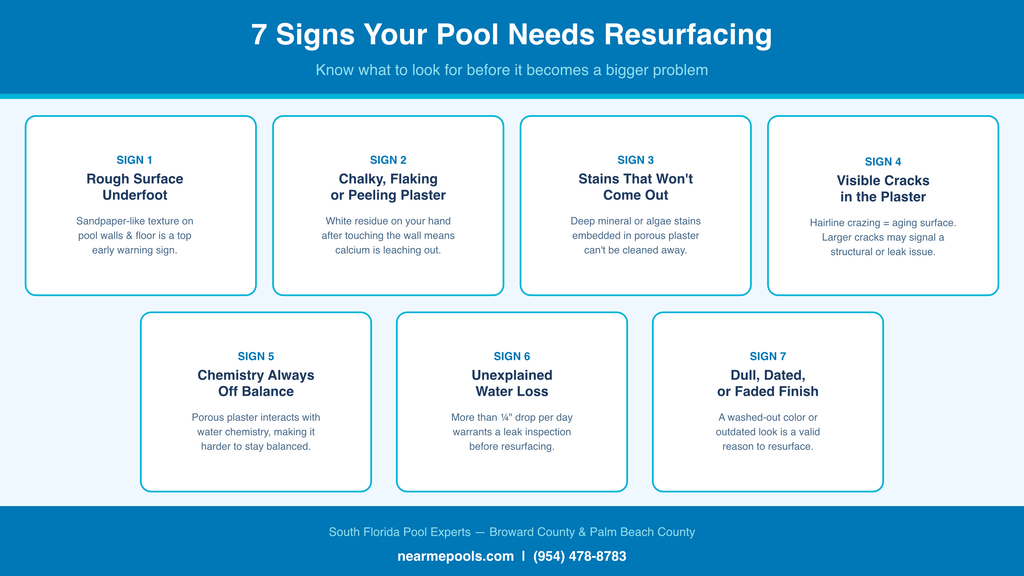
Here are the seven most common signs that your pool needs resurfacing — and what each one actually means.
Why Pool Surfaces Degrade Faster in South Florida
Before the list, a little context: South Florida is one of the toughest environments for pool surfaces in the country. Year-round use means your pool never gets a break. UV intensity is relentless. The heat accelerates chemical burn-off, which means you’re constantly adjusting water chemistry — and that repetitive exposure takes a toll on plaster over time.
Add hard water and you’ve got mineral deposits building up on the surface year after year. Most pool plasters and aggregate finishes have a natural lifespan — but in South Florida, that lifespan gets tested from the moment the surface is applied.
This isn’t a failure. It’s just physics. After years of South Florida sun and use, even well-maintained pools reach a point where resurfacing is simply the right next step. Knowing the warning signs helps you plan ahead instead of getting caught off guard.
The 7 Signs Your Pool Needs Resurfacing
Sign 1: The Surface Feels Rough Underfoot
This is usually the first sign homeowners notice — and one of the clearest. When pool plaster starts to deteriorate, it develops a rough, almost sandpaper-like texture beneath the waterline. You’ll feel it on the soles of your feet, and swimmers may notice it against their skin when pushing off the walls.
What’s happening: The smooth outer layer of the plaster or aggregate finish is breaking down, exposing the rougher substrate beneath. This process — called spalling or etching — is often accelerated by low pH or aggressive water chemistry over time. It can also happen naturally as the finish simply ages.
Pro tip: If one area feels rough but the rest of the pool is fine, it might be isolated etching or mineral buildup that an acid wash could address. But if the roughness is widespread and the pool surface is more than 10–12 years old? That’s a sign the surface has run its course.
Sign 2: Plaster Is Chalky, Peeling, or Flaking
If you run your hand along the pool wall and come up with a white, chalky residue — or if you’re seeing small flakes or chips of material in your filter basket or skimmer — the surface is actively breaking down.
What’s happening: Calcium leaching out of the plaster matrix causes that chalky buildup. In more advanced cases, the plaster itself starts delaminating — separating from the underlying surface in small patches or flakes. Once this process starts, it tends to accelerate.
This is one of those signs that typically means an acid wash won’t be enough. When the material is breaking down structurally rather than just visually, a full replaster is the right path.
Sign 3: Stains That Won’t Come Out No Matter What You Try
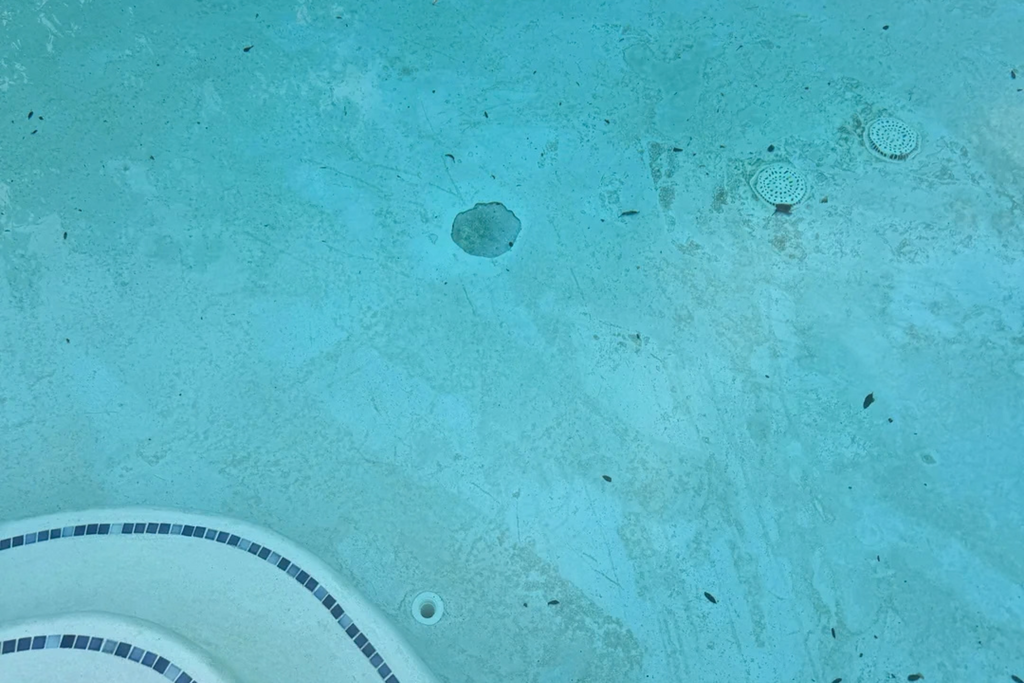
South Florida pools are no strangers to staining. Algae, iron, copper, calcium — they all leave their mark. But there’s a difference between surface staining that responds to treatment and deep staining that’s become embedded in the plaster itself.
If you’ve tried brushing, stain-removing chemicals, and even a professional cleaning and the discoloration still persists, the stain has likely penetrated past the surface layer. Plaster is porous, and that porosity increases as it ages — making it more and more susceptible to holding onto minerals and organic material.
An acid wash can address surface-level staining that’s still in the outer layer. But when the stain is deeper than that — embedded in compromised, porous plaster — resurfacing is the only way to get the pool looking genuinely clean again.
Sign 4: Visible Cracks in the Plaster
Cracks are where homeowners tend to get the most anxious — understandably so. But not all cracks are created equal, and it’s worth understanding what you’re looking at before drawing conclusions.
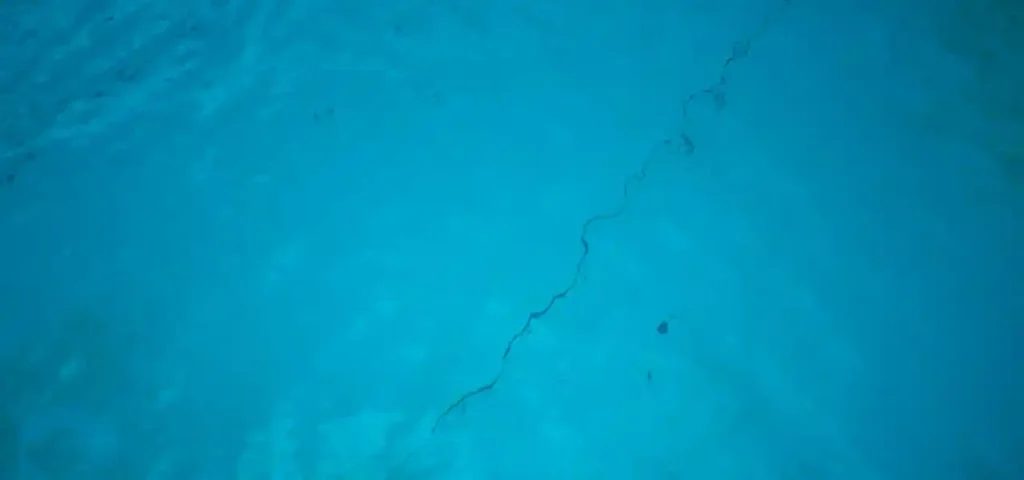
Surface-level cracks (checking or crazing): These look like a fine network of tiny hairline cracks across the plaster surface, almost like cracked mud. They’re a cosmetic indicator — the plaster is drying and aging — but they signal that the surface has reached the end of its functional life. Not an immediate leak risk on their own, but a clear sign that resurfacing is overdue.
Larger structural cracks: If you see a crack that appears to run through the plaster and into the shell of the pool itself — or one that seems to be growing over time — that’s a different situation. Structural cracks can allow water to escape and may require more than just resurfacing. If you’re noticing significant cracking alongside unexplained water loss, professional pool leak detection should be the first call, before resurfacing conversations begin.
Sign 5: Your Pool Chemistry Is Constantly Off Balance
This one surprises a lot of homeowners: a degraded pool surface can directly impact your ability to maintain stable water chemistry.
As plaster ages and becomes increasingly porous, it starts interacting with the water in ways a healthy surface doesn’t. Calcium leaches out. pH swings become harder to manage. You end up adding more chemicals more often just to keep the numbers in range — and the pool still doesn’t feel quite right.
If you’ve ruled out equipment issues (like a failing heater or pump introducing contaminants) and your chemistry remains volatile despite consistent maintenance, the surface itself may be a contributing factor. It’s worth mentioning to whoever handles your pool maintenance and water care — they’ll recognize the pattern quickly.
Sign 6: You’re Losing Water and It’s Not the Equipment
Unexplained water loss is one of the more urgent warning signs on this list. If your pool is dropping more than a quarter inch per day — after accounting for normal evaporation and splash-out — something is wrong.
This can absolutely be a structural leak through a crack in the shell, a fitting, or the plumbing. That scenario requires professional leak detection to pinpoint. But surface-level issues — like delaminated plaster or a compromised finish around steps, returns, or the waterline — can also allow slow, steady water loss that’s easy to misattribute.
Don’t assume a surface issue is the cause without ruling out structural and plumbing leaks first. But if leak detection comes back clean and you’re still losing water, the condition of the pool surface should be on your diagnostic list.
Sign 7: The Finish Looks Dull, Dated, or Just Doesn’t Look Right
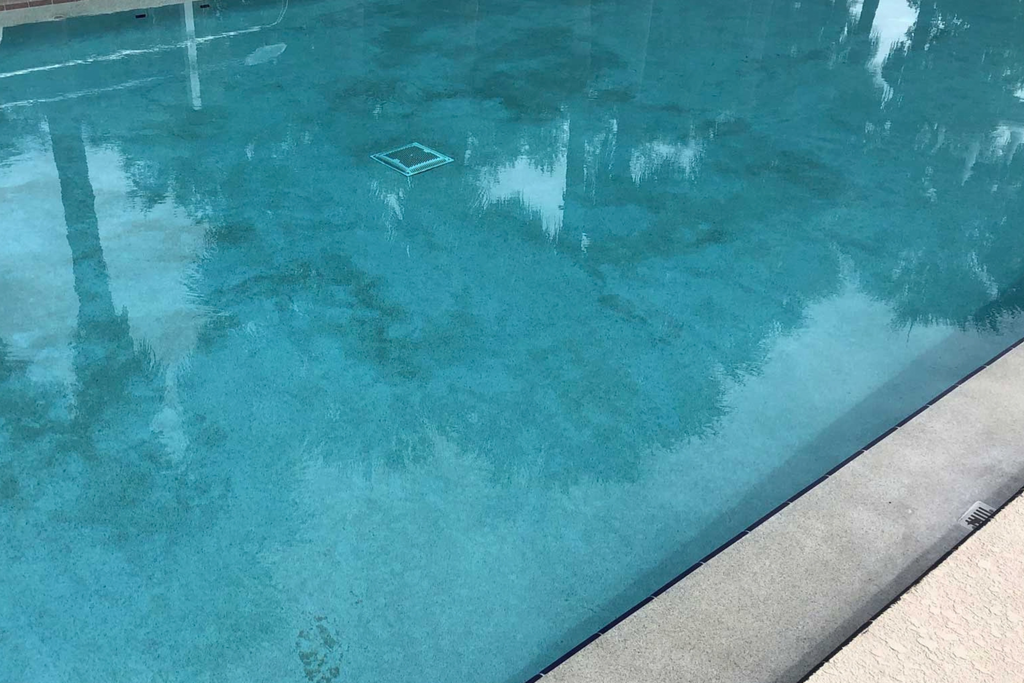
Sometimes the reason to resurface isn’t about damage or failure — it’s about the fact that the pool just doesn’t look like it should anymore.
The color has faded from a vibrant blue to a washed-out grey. The finish that was modern a decade ago now looks dated next to new pavers and landscaping. Or the previous owners chose plain white plaster that’s never looked particularly impressive and has now accumulated years of discoloration on top of an already uninspiring base.
South Florida pools are a centerpiece of the home. They’re used year-round, visible from inside the house, and a major part of the outdoor living experience. A resurfacing job with a quality finish — whether that’s Diamond Brite, Florida Stucco, or a pebble finish — can genuinely transform how your backyard looks and feels. If your pool is structurally fine but just doesn’t look right anymore, that’s a completely valid reason to resurface.
How Urgent Is It? A Simple Framework
Not every sign on this list means you need to drain the pool this weekend. They exist on a spectrum — and knowing where you fall helps you plan instead of panic.
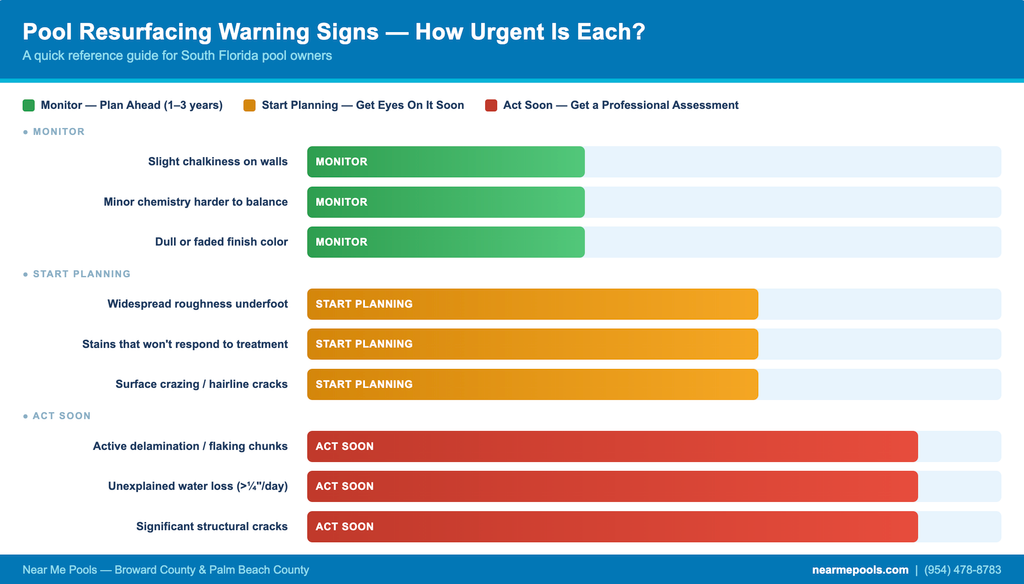
“Keep an eye on it” range: Slight chalkiness, minor surface discoloration, or water chemistry that’s slightly harder to balance than it used to be. The surface is aging but not failing yet. Plan for resurfacing within the next one to three years and stay consistent with water chemistry maintenance.
“Start getting quotes” range: Roughness that’s uncomfortable to walk on, staining that won’t respond to treatment, or visible crazing and hairline cracks across the surface. The surface is at or near the end of its life. Time to start talking to licensed contractors and understanding your finish options.
“Get a professional assessment now” range: Active delamination (chunks of plaster coming off), significant water loss that leak detection has ruled out as a plumbing issue, or large visible cracks. These need attention quickly — a degraded surface can affect water quality and accelerate further structural stress.
What You Now Know
Pool surfaces don’t fail overnight — they give you signals along the way. A rough underfoot feel, persistent staining, chalky residue, visible cracks, chemistry that won’t cooperate, unexplained water loss, or a finish that’s simply past its prime are all telling you the same thing: the surface has done its job, and it’s time for the next chapter.
South Florida’s climate is tough on pool surfaces. But a well-timed resurfacing — with the right finish for your pool and your lifestyle — can reset the clock and give you a pool that looks and performs like new for another decade or more. Diamond Brite, Florida Stucco, and pebble finishes are all built to handle the heat, UV, and hard water that make this region uniquely demanding.
The earlier you catch the signs, the more options you have. And the more informed you are going in, the better the outcome.
Have Questions? We’re Happy to Talk It Through.
Near Me Pools works with pool owners throughout Broward County and parts of Palm Beach County. If you’re seeing one of the signs above and you’re not sure what it means — or you just want a straight answer about what you’re looking at — reach out to our team. We’re happy to help you make sense of it.
You can also give us a call at (954) 478-8783 or email us at contact@nearmepools.com.
Frequently Asked Questions
How long does pool plaster typically last in South Florida?
Standard white plaster typically lasts 7–12 years, though South Florida’s heat, UV intensity, and hard water often push surfaces toward the lower end of that range. Aggregate finishes like Diamond Brite and Florida Stucco generally last 10–20 years, and pebble finishes can hold up for 20+ years with proper care and maintenance.
Is a rough pool surface always a sign it needs resurfacing?
Not always. Sometimes roughness is caused by mineral deposits or calcium buildup that can be addressed with an acid wash or targeted chemical treatment. But if the roughness is widespread and the pool surface is older — especially past the 10-year mark — it more likely indicates the plaster is degrading. A professional can help you distinguish between the two.
Can an acid wash fix the problems instead of a full resurface?
An acid wash is a great option when the surface is structurally sound but visually deteriorated — stained, discolored, or heavy with calcium buildup. If the underlying plaster is aging, porous, or delaminating, an acid wash won’t restore it. The two serve different purposes, and choosing the right one depends on what’s actually happening to your surface.
Will cracked pool plaster cause a leak?
Hairline surface cracks — called crazing — are usually cosmetic, indicating aging plaster but not necessarily water loss. Larger cracks that run through the plaster into the pool shell are a different matter and should be investigated through professional leak detection before any resurfacing work begins.
What’s the best pool finish for South Florida?
It depends on your budget, aesthetic preferences, and how long you want it to last. Diamond Brite and Florida Stucco are the go-to mid-tier options — durable, available in a wide range of colors, and well-suited to South Florida’s climate and hard water. Pebble finishes offer superior longevity and a high-end natural look, with lifespans of 20+ years. Most South Florida contractors recommend skipping plain white plaster in favor of an aggregate finish for better performance in this climate.
How do I know if my pool needs resurfacing or a full renovation?
Resurfacing covers the pool surface itself — the plaster or aggregate finish. A renovation is broader: it can include the surface but also extends to deck work, tile, coping, waterfalls, and equipment upgrades. If your pool structure and surrounding deck are in good shape but the surface is aging, resurfacing is likely all you need. If you’re thinking about a more significant transformation, that’s a renovation conversation.